Selling a House in Bankruptcy: California Homeowner Guide

Selling a House in Bankruptcy: California Homeowner Guide
Filing for bankruptcy while owning a home raises immediate questions: Can you sell? Do you have to? Who controls the decision? The answers depend on which type of bankruptcy you filed — and where you are in the process.
First: What Kind of Bankruptcy Did You File?
Chapter 7 — Liquidation Bankruptcy
In a Chapter 7, a bankruptcy trustee is appointed to liquidate non-exempt assets. Your home may or may not be an asset the trustee can touch — it depends on your equity and California's homestead exemption.
California's homestead exemption (as of 2021): You can now exempt between $300,000 and $600,000 in home equity (adjusted based on county median home prices). In Sacramento County, the exemption is approximately $626,400.
If your equity is below the exemption amount, the trustee will almost certainly abandon the property. If your equity exceeds the exemption, the trustee has the right to sell the home.
Chapter 13 — Reorganization Bankruptcy
In a Chapter 13, you keep your property and repay creditors through a 3–5 year repayment plan. You can sell your home during a Chapter 13, but you need court approval first.
The Automatic Stay and Foreclosure
The automatic stay under 11 U.S.C. § 362 immediately halts foreclosure proceedings, trustee sales, eviction actions, and wage garnishments. This gives you time to organize a sale.
Thinking About Selling?
Get a no-obligation cash offer in 24 hours. We buy houses in any condition.
Selling Before Filing vs. After Filing
Selling shortly before filing bankruptcy can look like an attempt to hide assets — the trustee can unwind transactions made in the 2 years before filing if they appear fraudulent or below market value. Sell at full market value and document everything.
Key California-Specific Numbers
- Homestead exemption: ~$626,400 for Sacramento County (2024, adjusts annually)
- Chapter 7 duration: 4–6 months from filing to discharge
- Chapter 13 plan length: 3–5 years
- Motion to sell timeline: 4–8 weeks in Chapter 13
Practical Steps if You Need to Sell
- Call your bankruptcy attorney. Do not list your property without notifying them first.
- Find out the trustee's position. Has the trustee claimed or abandoned the home?
- Get a market valuation. An appraisal ($400–$600) or formal BPO ($150–$300) creates a paper trail.
- File the motion (Chapter 13). The 4–8 week clock starts from the filing date.
- Be upfront with buyers. Any offer must be contingent on court approval.
A Note from Community Renaissance
Community Renaissance has experience working with Sacramento homeowners in bankruptcy situations — we understand court timelines and can structure offers that satisfy trustee requirements.
Request a no-obligation cash offer. We'll work with your attorney and we don't disappear when things get complicated.
Frequently Asked Questions
Can you sell your house during an active bankruptcy?
Yes, but you need court approval regardless of chapter. In Chapter 7, the trustee may control the sale. In Chapter 13, you must file a Motion to Sell Property.
What is California's homestead exemption?
California's homestead exemption protects $300,000 to $600,000+ in home equity from creditors. In Sacramento County, the exemption is approximately $626,400.
Community Renaissance Team
Sacramento Cash Home Buyers
Community Renaissance is a local Sacramento home buying company. We buy houses for cash across Sacramento, Placer, El Dorado, and Yolo counties — any condition, any situation — and donate 10% of our profits to local classrooms through DonorsChoose.
Get Help in Your Area
Ready to Sell Your Home?
Get a free, no-obligation cash offer for your Sacramento area home. We can close in as little as 7 days.
Get My Cash OfferRelated Articles
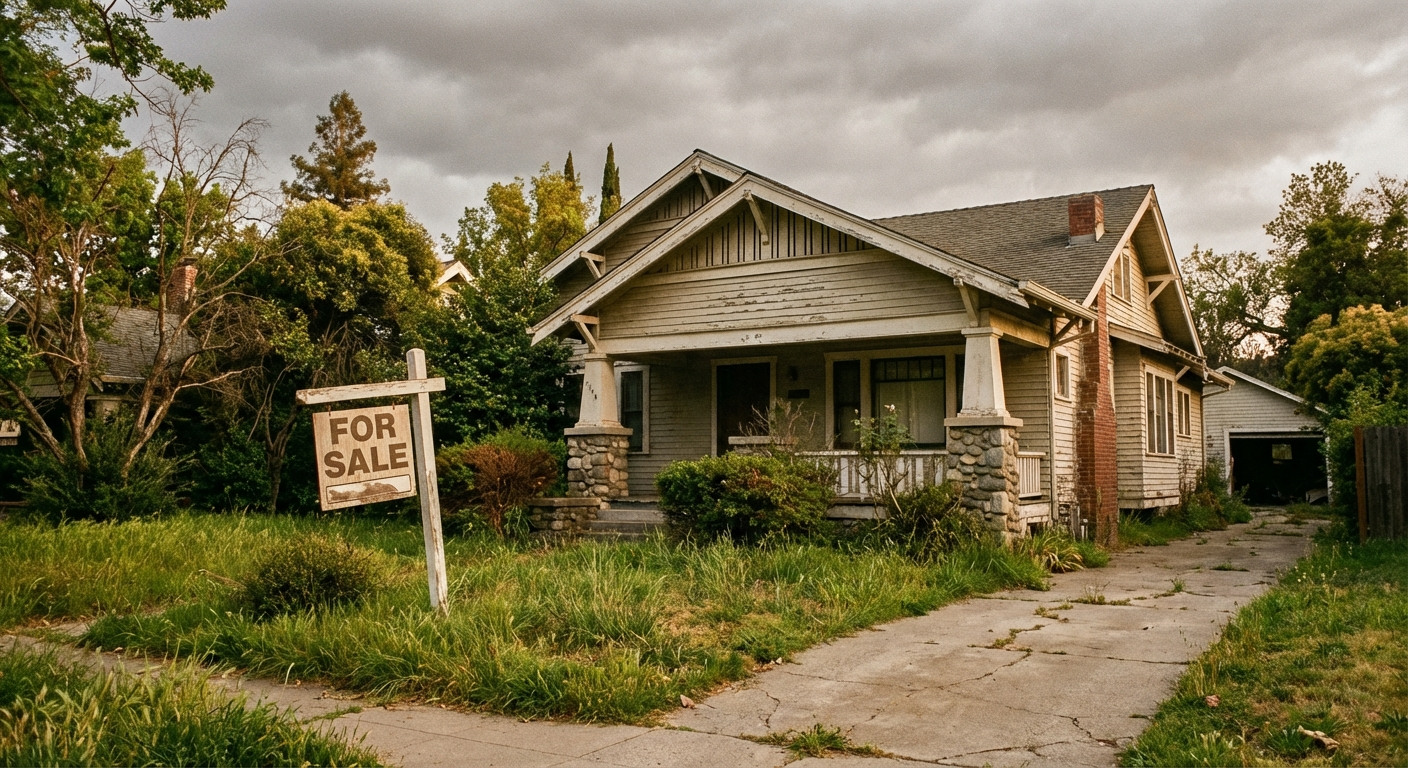
Probate Sales: A Step-by-Step Guide for Sacramento Executors
Navigating the probate process in California can be complex. This guide breaks down the timeline, court requirements, and how to sell an estate property efficiently.
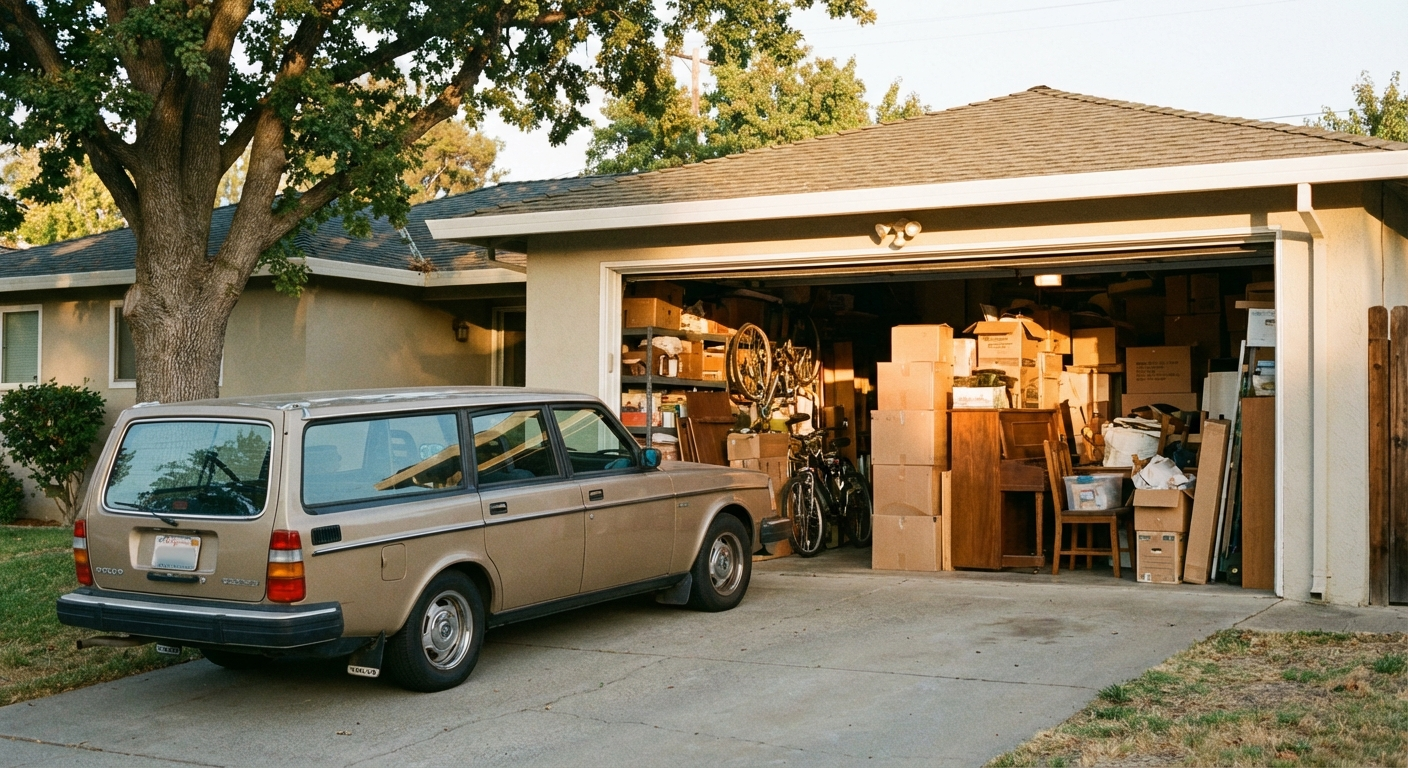
How to Sell a Hoarder House in Sacramento
Selling a home filled with years of belongings is overwhelming. Learn compassionate strategies to navigate this difficult process without the shame or stress.